

Most people in the health space—myself included, at certain points—develop somewhat of an addiction to supplements.
A plethora of hormones, herbal extracts, drugs, nutrients, and proprietary blends are used with the hope of finally fixing all of our health problems and reaching that theoretical state of optimal health.
This is not an unreasonable place to end up.
The environment we live in does not support health by default, and in many respects it works against it. There are a large number of cases where supplementation addresses something that diet alone cannot, and I believe certain unnatural interventions are often necessary to counteract the accumulated damage of an environment that is, in many ways, making us sick.
However, this is not what this article is about.
The goal of this article is to demonstrate that a well-constructed diet can cover the full spectrum of essential nutrients without supplementation, and that understanding this has a practical benefit beyond nutrition alone…
It reduces the number of supplements required.
Why is this important?
The vast majority of supplements contain excipients (e.g. fillers, binders, colourants, preservatives, flow agents) that are classified as inert despite evidence to the contrary.
A systematic screening of 3,296 excipients in the FDA inactive ingredient database identified 38 that interact with 134 human enzymes and receptors, with an additional 109 interactions found between 32 excipients and human protein targets used to assess drug safety.
Silicon dioxide, titanium dioxide, magnesium stearate, maltodextrin, carrageenan, and polyethylene glycol appear across the majority of commercial supplements, often in multiple products taken simultaneously. The long-term biological effects of daily exposure to these compounds have not been studied and are more than likely harmful.
Dr. Raymond Peat observed this directly:
“I realized that it very consistently had something powerfully allergenic, and I experimented over the next few years. I was volunteering in a clinic, and Eugene had a tremendous number of allergic people. I was seeing dozens of people taking everything they knew to help their allergies, and I suggested that they stop taking all of their supplements. Almost all of them discovered they didn’t have any allergies except for their supplements.”
I believe that diet builds the foundation of health.
Everything else—every supplement, every intervention, every protocol—is built on top of it, and none of it functions as intended when the foundation is weak.
The foods covered below provide the full spectrum of essential nutrients, with each section covering what a given food provides and the mechanisms behind why it matters.
Liver
Liver is the most nutrient-dense food available.
No other single food covers as many essential nutrients at the concentrations it provides, and no supplement stack comes close to replicating what a regular serving of liver delivers in the context of a whole food with intact cofactors and synergistic compounds.
100g of beef liver provides approximately:
Vitamin B12: 2,471% of the daily value. B12 is required for DNA synthesis, red blood cell production, myelin integrity, and the conversion of homocysteine to methionine. Its neurological role is particularly significant with deficiency producing subacute combined degeneration of the spinal cord, peripheral neuropathy, cognitive decline, and in severe cases demyelination of neurons. These effects are not always accompanied by anaemia, meaning deficiency can be neurologically advanced before it is detected on standard blood panels. B12 is found exclusively in animal-derived foods, making liver one of the most concentrated and reliable sources available.
Vitamin A (retinol): 552% of the daily value. Liver provides preformed vitamin A not beta-carotene, which requires enzymatic conversion to active retinol. This conversion is highly variable across individuals, with some studies finding that up to half of subjects are poor converters, and the conversion rate is further reduced in hypothyroidism, as thyroid hormone is required to drive it. Retinol is required for vision, immune function, skin cell turnover, thyroid hormone signalling, and reproductive function. Vitamin A deficiency leads to keratinization disorders, impaired immune response, and night blindness.
Copper: 1,084% of the daily value. Copper is a structural component of cytochrome c oxidase—the terminal enzyme of the mitochondrial electron transport chain—and is directly required for mitochondrial ATP production. It is also a cofactor for ceruloplasmin, the ferroxidase that oxidizes ferrous iron into ferric iron for transport in the bloodstream, meaning copper status directly affects iron metabolism. Additional copper-dependent enzymes include lysyl oxidase, which is required for collagen cross-linking and connective tissue stability; superoxide dismutase, a primary antioxidant enzyme; dopamine beta-hydroxylase, which converts dopamine to noradrenaline; and monoamine oxidases involved in neurotransmitter degradation. Copper deficiency impairs all of these simultaneously.
Vitamin K2 (MK-4): Approximately 10–15mcg per 100g, making liver one of the better animal-derived food sources available. MK-4 is a cofactor for the carboxylation of vitamin K-dependent proteins. The two most clinically relevant are osteocalcin, which binds calcium to bone matrix, and matrix Gla protein (MGP), currently considered the most potent known inhibitor of arterial calcification. When K2 is insufficient, both proteins remain undercarboxylated and inactive—calcium accumulates in soft tissue and arterial walls rather than being directed to bone. Undercarboxylated MGP has been consistently associated with accelerated vascular calcification across multiple patient populations.
Riboflavin (B2): 263% of the daily value. Riboflavin is the precursor to FAD and FMN, two coenzymes that are required by flavoproteins throughout the cell. FMN is a direct component of complex I of the mitochondrial electron transport chain. FAD is the prosthetic group in complex II. Beyond the electron transport chain, FAD-dependent acyl-CoA dehydrogenases drive fatty acid beta-oxidation—the primary pathway by which fatty acids are catabolized for energy. Riboflavin deficiency depletes both coenzymes simultaneously, impairing mitochondrial energy production, fatty acid oxidation, and the metabolism of other B vitamins including B6 and niacin, which require FAD for their activation.
Folate (B9): 63% of the daily value. The folate in liver is in its natural polyglutamate form—reduced and already partially active—rather than synthetic folic acid, which is fully oxidized and requires multiple enzymatic conversion steps to reach the active 5-methyltetrahydrofolate (5-MTHF) form. This conversion depends on the MTHFR enzyme, which is functionally reduced in a significant proportion of the population due to common genetic variants. In these individuals, synthetic folic acid from supplements accumulates in its unmetabolized form rather than being converted to active folate. Natural dietary folate from liver does not present this problem. Folate is required for DNA synthesis, DNA methylation, homocysteine metabolism, and red blood cell production.
Pantothenic acid (B5): 142% of the daily value. Pantothenic acid is the sole nutritionally essential precursor to coenzyme A—the cofactor required for the citric acid cycle, fatty acid synthesis, fatty acid beta-oxidation, steroid hormone synthesis, and the acetylation of proteins and neurotransmitters. It is also a structural component of the acyl carrier protein involved in fatty acid synthesis.
Iron: 82% of the daily value in heme form. Heme iron from animal tissue is absorbed through a dedicated active transport pathway involving heme oxygenase in intestinal enterocytes, at a rate of 15–35% of intake. Non-heme iron from plant foods and most supplements is absorbed at 2–20%, and its absorption is further reduced by dietary inhibitors including phytates, polyphenols, and calcium. Heme iron accounts for only 10–15% of total dietary iron intake in most Western populations but contributes more than 40% of total iron absorbed, due to its absorption advantage. Iron is required for haemoglobin synthesis, oxygen transport, energy production, DNA synthesis, and immune function.
Zinc: 48% of the daily value. Zinc is a cofactor in over 300 enzymatic reactions, including those involved in DNA synthesis, protein synthesis, immune cell development, and wound healing. It is required for the biosynthesis, storage, and secretion of testosterone—zinc is concentrated in Leydig cells, and deficiency is consistently associated with reduced testosterone levels and impaired spermatogenesis. It also serves a structural role in zinc finger proteins involved in gene expression and DNA repair.
Selenium: 66% of the daily value. Selenium is incorporated into approximately 25 selenoproteins in the human body, two of which are directly relevant to thyroid function: glutathione peroxidase, which protects the thyroid gland from the oxidative stress generated during thyroid hormone synthesis, and iodothyronine deiodinase, the enzyme responsible for converting T4 into the active thyroid hormone T3. The thyroid contains the highest concentration of selenium per gram of any tissue in the body. Deficiency impairs both antioxidant defence and thyroid hormone activation simultaneously.
Choline: Liver is the richest dietary source of choline in the human diet. Choline participates in three primary metabolic pathways. Through phosphorylation, it is the precursor to phosphatidylcholine—the dominant phospholipid in cell and mitochondrial membranes and a structural requirement for every cell in the body. Through acetylation, it is converted to acetylcholine in cholinergic neurons, where it serves as the primary neurotransmitter for memory consolidation, neuromuscular signalling, and autonomic function. Choline availability in nerve terminals is the rate-limiting step in acetylcholine synthesis. Through oxidation, choline is converted to betaine, which donates methyl groups to the methylation cycle and supports epigenetic regulation. In the liver specifically, phosphatidylcholine is required for the assembly and export of VLDL—the lipoprotein that transports triglycerides out of the liver. Choline deficiency causes fat and cholesterol to accumulate in the liver, which is a well-established cause of non-alcoholic fatty liver disease.
Here are a couple of ways I like to prepare liver:


Oysters
Oysters are the single richest food source of zinc and one of the most concentrated sources of several nutrients that are consistently deficient in modern diets.
A 100g serving of cooked wild eastern oysters provides:
Zinc: 555% of the daily value. As covered in the liver section, zinc is a cofactor in over 300 enzymatic reactions including DNA synthesis, protein synthesis, immune cell development, testosterone production in Leydig cells, and structural function in zinc finger proteins involved in gene expression and DNA repair. Oysters are the most concentrated dietary source of zinc available.
Vitamin B12: 538% of the daily value. As covered in the liver section, B12 is required for DNA synthesis, myelin integrity, neurological function, and red blood cell production.
Copper: 493% of the daily value. As covered in the liver section, copper is a structural component of cytochrome c oxidase, ceruloplasmin, lysyl oxidase, superoxide dismutase, and dopamine beta-hydroxylase.
Selenium: 56% of the daily value. As covered in the liver section, selenium is required for glutathione peroxidase activity in the thyroid and for the conversion of T4 to active T3.
Iron: 40% of the daily value in heme form. As covered in the liver section, heme iron is absorbed at 15–35% compared to 2–20% for non-heme iron from plant foods and supplements.
Iodine: Approximately 20–30% of the daily value per serving. Iodine is a structural component of thyroid hormones—T3 contains three iodine atoms and T4 contains four. Without sufficient iodine, the thyroid cannot synthesize hormones regardless of selenium or TSH status. Iodine is taken up from the bloodstream by the thyroid gland via the sodium-iodide symporter and incorporated directly into thyroglobulin, the protein matrix from which T3 and T4 are cleaved.
Taurine: Oysters are one of the richest dietary sources of taurine—the sulfur-containing amino acid covered extensively in my articles/posts. Taurine is found in high concentrations in the brain, heart, muscles, and retina, and is involved in bile acid conjugation, calcium signalling, cellular hydration, mitochondrial function, and neurological protection. Endogenous synthesis from cysteine declines with age and is impaired under conditions of high oxidative stress, illness, and metabolic dysfunction.
Biotin (B7): Oysters are one of the best food sources of biotin, providing over 50% of the daily value per serving. Biotin is a cofactor for five carboxylase enzymes in the human body, each involved in a distinct metabolic pathway: pyruvate carboxylase in gluconeogenesis, two forms of acetyl-CoA carboxylase in fatty acid synthesis, propionyl-CoA carboxylase in the catabolism of branched-chain amino acids and odd-chain fatty acids, and beta-methylcrotonyl-CoA carboxylase in leucine catabolism. Biotin deficiency impairs all five pathways simultaneously, disrupting glucose metabolism, fatty acid synthesis, and amino acid catabolism.
Manganese: Approximately 20% of the daily value. Manganese is the metal cofactor at the core of manganese superoxide dismutase (MnSOD), which is the primary antioxidant enzyme in the mitochondrial matrix, where superoxide is generated continuously as a byproduct of electron transport chain activity. MnSOD catalyses the dismutation of superoxide radicals into hydrogen peroxide, preventing oxidative damage to mitochondrial DNA, membranes, and proteins. Beyond that, manganese is also a cofactor for glycosyltransferases involved in proteoglycan synthesis, the structural molecules required for the formation of cartilage and the connective tissue matrix of bone, and for arginase, the enzyme that converts arginine to ornithine in the urea cycle.
Eggs
Eggs are one of the most nutritionally complete foods available. The yolk contains all of the fat-soluble vitamins (A, D, E, K) and the majority of the micronutrient content, while the white provides high-quality protein with the highest net protein utilization of any whole food.
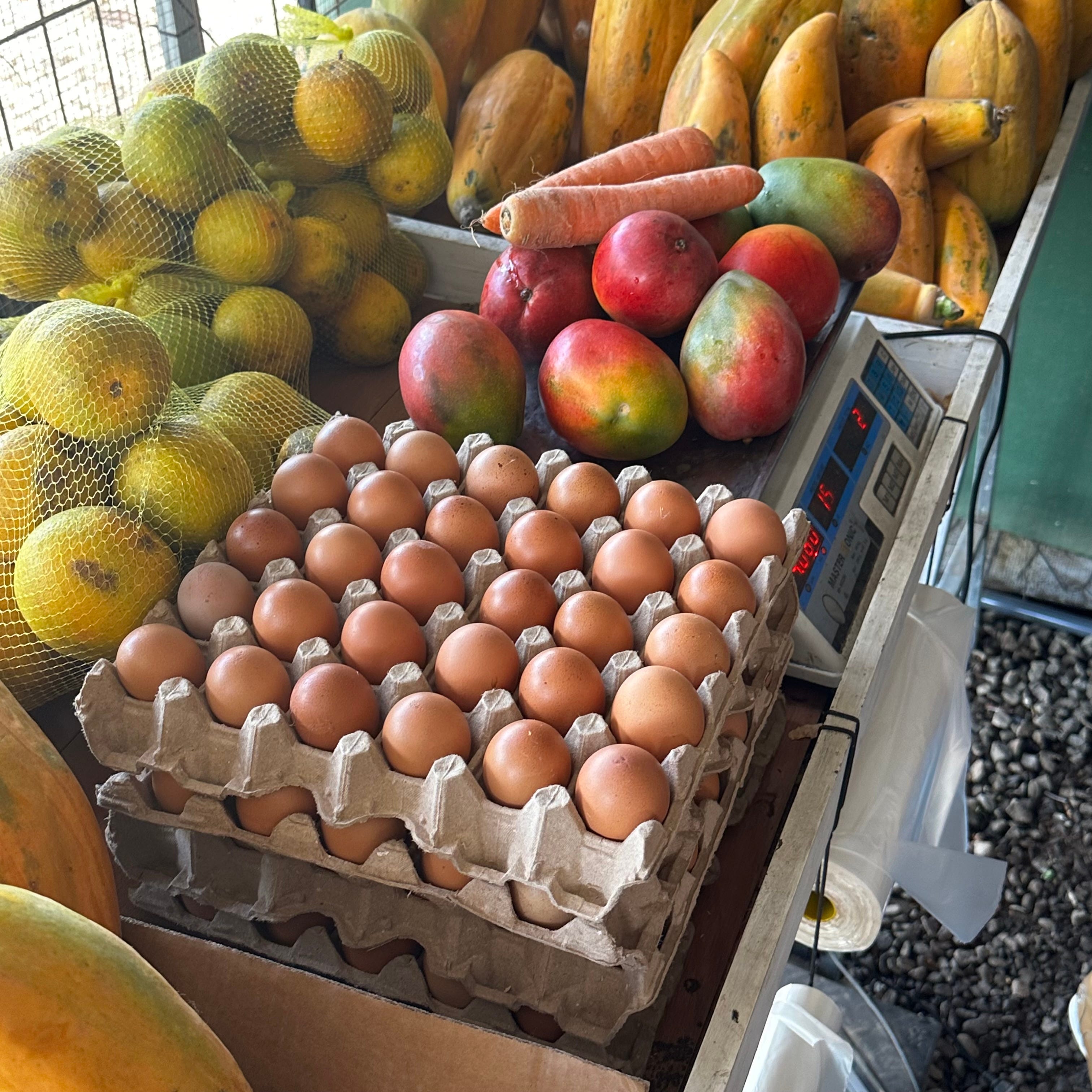
A pasture-raised egg contains:
Choline: As covered in the liver section, choline is required for phosphatidylcholine synthesis in cell membranes, acetylcholine synthesis in cholinergic neurons, liver fat metabolism via VLDL export, and methylation through its conversion to betaine. Egg yolk is the single richest dietary source of choline per calorie. Two eggs provide approximately 300mg in a form that is significantly more bioavailable than most choline supplements, which are commonly sold as choline bitartrate or alpha-GPC at a substantially higher cost.
Vitamin A (retinol): As covered in the liver section, egg yolks provide preformed retinol in a naturally fat-soluble matrix that supports absorption. Pasture-raised eggs contain approximately 1.5 times more vitamin A than conventional eggs, from the carotenoid-rich grasses and plants in the hen’s diet.
Vitamin D: Egg yolks are one of the few naturally occurring food sources of vitamin D3. Pasture-raised eggs contain 3 to 4 times more vitamin D than conventionally produced indoor eggs, due to the hen’s direct sunlight exposure. Hens synthesize vitamin D3 in their skin through UVB radiation (the same mechanism as humans) and deposit it directly into the yolk. Indoor hens cannot do this regardless of their diet. The vitamin D in egg yolk is in the cholecalciferol (D3) form and is delivered in a fat matrix that supports its absorption.
Vitamin E: Pasture-raised eggs contain up to 3.5 times more vitamin E than conventional eggs, from access to green vegetation and insects. Vitamin E is a fat-soluble antioxidant that integrates into cell membranes and protects them from lipid peroxidation. It is a cofactor for immune function and is required for the maintenance of membrane integrity in neurological tissue.
Vitamin K2 (MK-4): As covered in the liver section, K2 is required for the carboxylation of osteocalcin and matrix Gla protein—the proteins responsible for directing calcium to bone and preventing its deposition in soft tissue and arteries. Pasture-raised eggs contain meaningfully more MK-4 than conventional eggs, as K2 is synthesized from the green plant material the hen consumes and deposited into the yolk.
Selenium: As covered in the liver and oyster sections, selenium is required for glutathione peroxidase activity in the thyroid and for the conversion of T4 to active T3. One egg provides approximately 15–20mcg, which is roughly 25–35% of the daily value.
Iodine: As covered in the oyster section, iodine is a structural component of both T3 and T4. One egg provides approximately 25mcg—around 17% of the daily value—and is one of the more reliable non-seafood dietary sources of iodine.
Lutein and zeaxanthin: Egg yolks contain approximately 250mcg of combined lutein and zeaxanthin per egg, and pasture-raised eggs contain significantly more. These xanthophyll carotenoids accumulate selectively in the macula of the retina, where they function as blue-light filters and antioxidants. They are the only carotenoids found in the human lens and retina, and their concentration in the macula is directly correlated with dietary intake.
Riboflavin (B2): As covered in the liver section, riboflavin is the precursor to FAD and FMN—the coenzymes required by complex I and complex II of the mitochondrial electron transport chain and by the acyl-CoA dehydrogenases that drive fatty acid beta-oxidation. One egg provides approximately 15% of the daily value.
Vitamin B12: As covered in the liver and oyster sections, B12 is required for DNA synthesis, myelin integrity, neurological function, and red blood cell production. One egg provides approximately 0.6mcg, which is around 25% of the daily value.
Goat Milk
Goat milk is consumed by more people globally than cow milk. It is not dramatically different in nutrient content, but its minerals are more bioavailable, its fat digests more easily, and its protein structure is less allergenic than commercial cow milk.
A cup of full-fat goat milk provides:
Calcium: Approximately 330mg per cup, which is around 33% of the daily value, and approximately 13% more than cow milk per serving. Calcium is the primary mineral in bone matrix, required for hydroxyapatite crystal formation, and is also involved in muscle contraction, neurotransmitter release, intracellular signalling, and blood clotting. The bioavailability of calcium from goat milk is higher than from cow milk, attributed to the smaller fat globule size and different protein structure, which produce a softer, more open curd in the stomach and allow faster enzymatic action.
Magnesium: Goat milk contains more magnesium than cow milk, with higher bioavailability. Magnesium is involved in over 3,000 enzymatic processes including ATP synthesis, DNA replication, calcium regulation, insulin signalling, and HPA axis regulation. It is the body's primary defence against intracellular calcium excess. When magnesium is depleted, calcium accumulates in cells, driving inflammation, mitochondrial dysfunction, and neuronal overactivation. Most people are chronically depleted, and goat milk's higher bioavailability makes it a more effective dietary source than cow milk for addressing this.
Potassium: Goat milk contains more potassium than cow milk at approximately 500mg per cup, around 11% of the daily value. Potassium is the primary intracellular cation and is required for membrane potential, nerve conduction, muscle contraction, and fluid balance. Potassium also plays a direct role in insulin secretion—the pancreatic beta cells that release insulin in response to rising blood glucose depend on potassium channel activity to regulate that release. Chronic low potassium impairs this mechanism and is independently associated with increased risk of type 2 diabetes. It is also required for glycogen synthesis in muscle and liver tissue, meaning that potassium status directly affects the body's capacity to store carbohydrate as usable fuel rather than converting it to fat.
Vitamin A (retinol): As covered in the liver and egg sections, vitamin A is required for vision, immune function, thyroid health, and skin cell turnover. Goat milk contains meaningfully more vitamin A than cow milk.
Riboflavin (B2): As covered in the liver section, riboflavin is the precursor to FAD and FMN, the coenzymes required by the mitochondrial electron transport chain and fatty acid beta-oxidation. Goat milk is a good source, providing approximately 20% of the daily value per cup.
Medium-chain fatty acids and digestibility: Goat milk fat contains a higher proportion of short- and medium-chain fatty acids—including caprylic acid (C8) and capric acid (C10)—than cow milk. These fatty acids are absorbed directly via the portal vein to the liver rather than requiring chylomicron packaging and lymphatic transport, making them more rapidly available for energy production. The fat globules in goat milk are also smaller than those in cow milk, providing a greater surface area for lipase activity and significantly faster fat digestion. Additionally, goat milk does not contain the protein agglutinin, which promotes clustering of fat globules in cow milk and slows digestion. The result is that goat milk fat is digested faster, more completely, and with less gastrointestinal burden than cow milk fat.
Lower allergenicity: Goat milk contains significantly less alpha-s1 casein than cow milk, which is the specific casein fraction most frequently implicated in cow milk allergy and digestive sensitivity. This is the primary reason goat milk is tolerated by many people who react to cow milk.
Beef Heart
Beef heart is considered an organ meat, but its taste and texture are more similar to a steak. It is the most concentrated food source of CoQ10 and contains substantial amounts of B vitamins, heme iron, zinc, and selenium. For people who find liver difficult to eat, beef heart is a more practical place to start. Depending on where you source it, it is also insanely cheap.

A 100g serving of beef heart provides:
CoQ10: Approximately 11–13mg per 100g. The heart requires a constant and exceptionally high supply of energy to pump blood continuously without rest, which is why it concentrates CoQ10 to a greater degree than any other tissue. CoQ10 is a fat-soluble molecule embedded in the inner mitochondrial membrane that functions as a mobile electron carrier between complex I and complex II and complex III of the electron transport chain. It shuttles electrons from NADH and FADH2 to cytochrome c, enabling the proton gradient that drives ATP synthase. Without adequate CoQ10, this transfer stalls and ATP production falls. Beyond its role in energy metabolism, CoQ10 is the only lipid-soluble antioxidant that cells synthesize de novo. It protects the mitochondrial membrane from lipid peroxidation by reactive oxygen species generated during normal respiration and maintains the proton gradient across lysosomal membranes that facilitates cellular waste clearance.
Vitamin B12: As covered in the liver and oyster sections, B12 is required for DNA synthesis, myelin integrity, neurological function, and red blood cell production. Beef heart provides approximately 360% of the daily value per 100g serving—one of the most concentrated sources outside of liver and oysters.
Riboflavin (B2): As covered in the liver section, riboflavin is the precursor to FAD and FMN, the coenzymes required by the mitochondrial electron transport chain and fatty acid beta-oxidation. Beef heart provides approximately 90% of the daily value per 100g serving.
Iron: As covered in the liver and oyster sections, heme iron is absorbed at 15–35% compared to 2–20% for non-heme iron from plant foods and supplements. Beef heart provides approximately 30% of the daily value.
Zinc: As covered in the liver section, zinc is a cofactor in over 300 enzymatic reactions including DNA synthesis, immune cell development, and testosterone production. Beef heart provides approximately 20% of the daily value.
Selenium: As covered in the liver and oyster sections, selenium is required for glutathione peroxidase activity in the thyroid and for the conversion of T4 to active T3. Beef heart provides approximately 45% of the daily value.
Coenzyme A precursors and carnitine: Heart muscle tissue is rich in carnitine, which is the compound responsible for transporting long-chain fatty acids across the inner mitochondrial membrane for beta-oxidation. Carnitine is widely sold as a supplement for energy metabolism and fat oxidation. Beef heart is one of the richest dietary sources available, alongside other muscle meats.
Orange Juice
Orange juice’s reputation as “a good source of vitamin C” undermines what it actually contains. Freshly squeezed orange juice provides a meaningful dose of vitamin C along with folate, potassium, and a set of citrus-specific flavanones (e.g. hesperidin and naringenin) that have documented effects on aromatase enzyme activity, inflammation, endothelial function, and gut serotonin.
A 240ml serving provides:
Vitamin C: Approximately 100–125mg per 240ml serving, which exceeds the daily value of 90mg. Vitamin C is required for collagen synthesis, immune function, neurotransmitter production, and adrenal hormone synthesis. It is the primary water-soluble antioxidant in plasma and intracellular fluid, and it regenerates oxidized vitamin E back to its active form. Deficiency produces scurvy, which is a collagen failure. Subclinical deficiency, which is more common, impairs immune response, slows wound healing, and reduces noradrenaline synthesis. The adrenal glands contain the highest concentration of vitamin C of any tissue and deplete it rapidly under physiological stress, which is one reason requirements rise during illness, surgery, and chronic stress.
Hesperidin and naringenin: Freshly squeezed orange juice is one of the richest dietary sources of citrus flavanones. Hesperidin and naringenin inhibit aromatase—the enzyme responsible for converting androgens to estrogen—and have been shown to reduce estrogen receptor activity. They also reduce the production of prostaglandins and inflammatory cytokines by inhibiting COX-2 and suppressing NF-κB signalling. Naringenin specifically inhibits the release of serotonin from enterochromaffin cells in the gut. These flavanones have also been shown to reduce diastolic blood pressure, improve endothelial function, and reduce circulating inflammatory markers.
Folate: Approximately 15–20% of the daily value per serving, in its natural food form. As covered in the liver section, natural dietary folate does not carry the conversion issues associated with synthetic folic acid, which requires the MTHFR enzyme to reach its active form. Orange juice is one of the more reliable non-animal sources of folate.
Potassium: Approximately 450–500mg per serving, which is around 10% of the daily value. As covered in the goat milk section, potassium is required for membrane potential, nerve conduction, muscle contraction, and fluid balance.
Sample Full Day of Eating
This day is built around the foods covered in this article, supplemented with white potato, coconut oil, and ripe fruit. Quantities reflect moderate to high activity at approximately 2,765 calories.
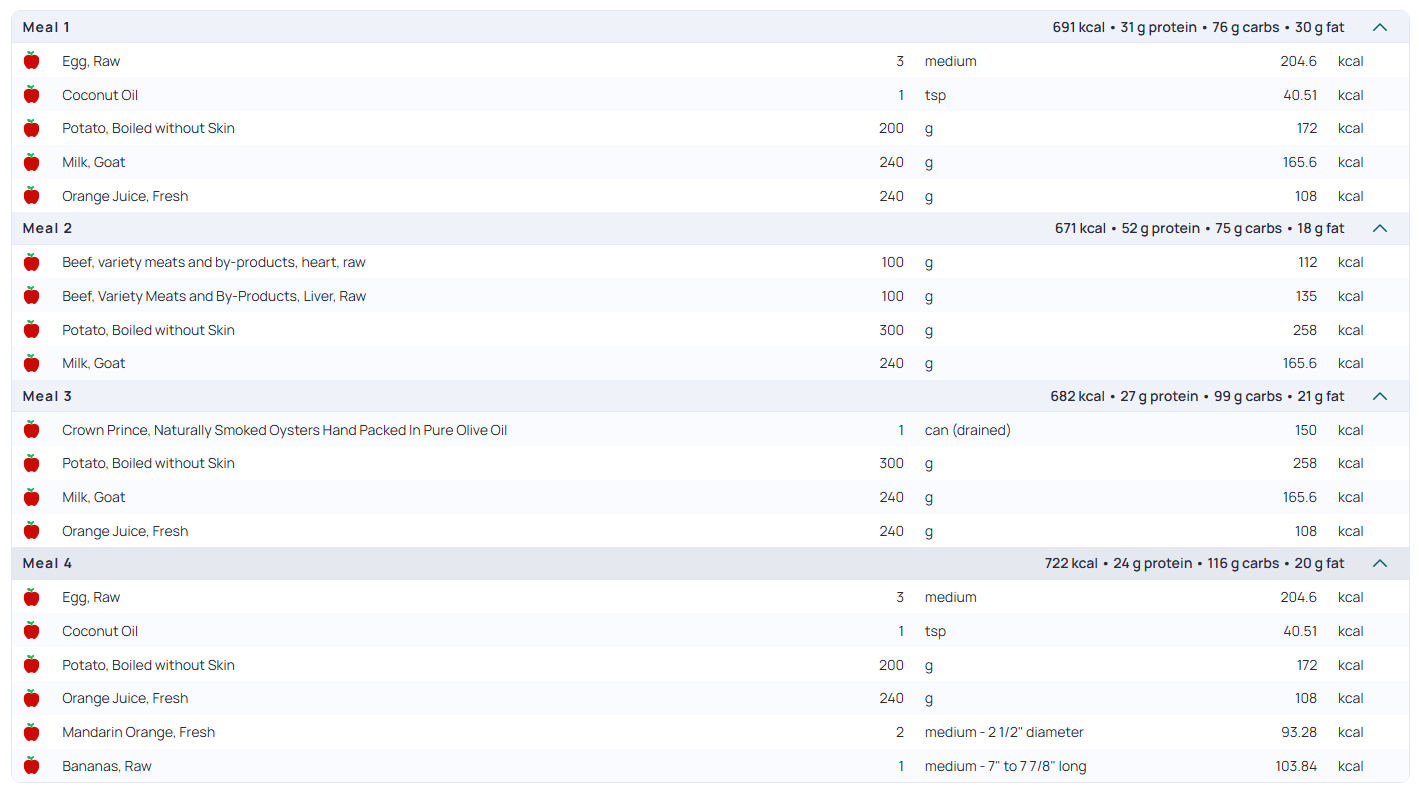
The Cronometer breakdown below shows the actual micronutrient output.
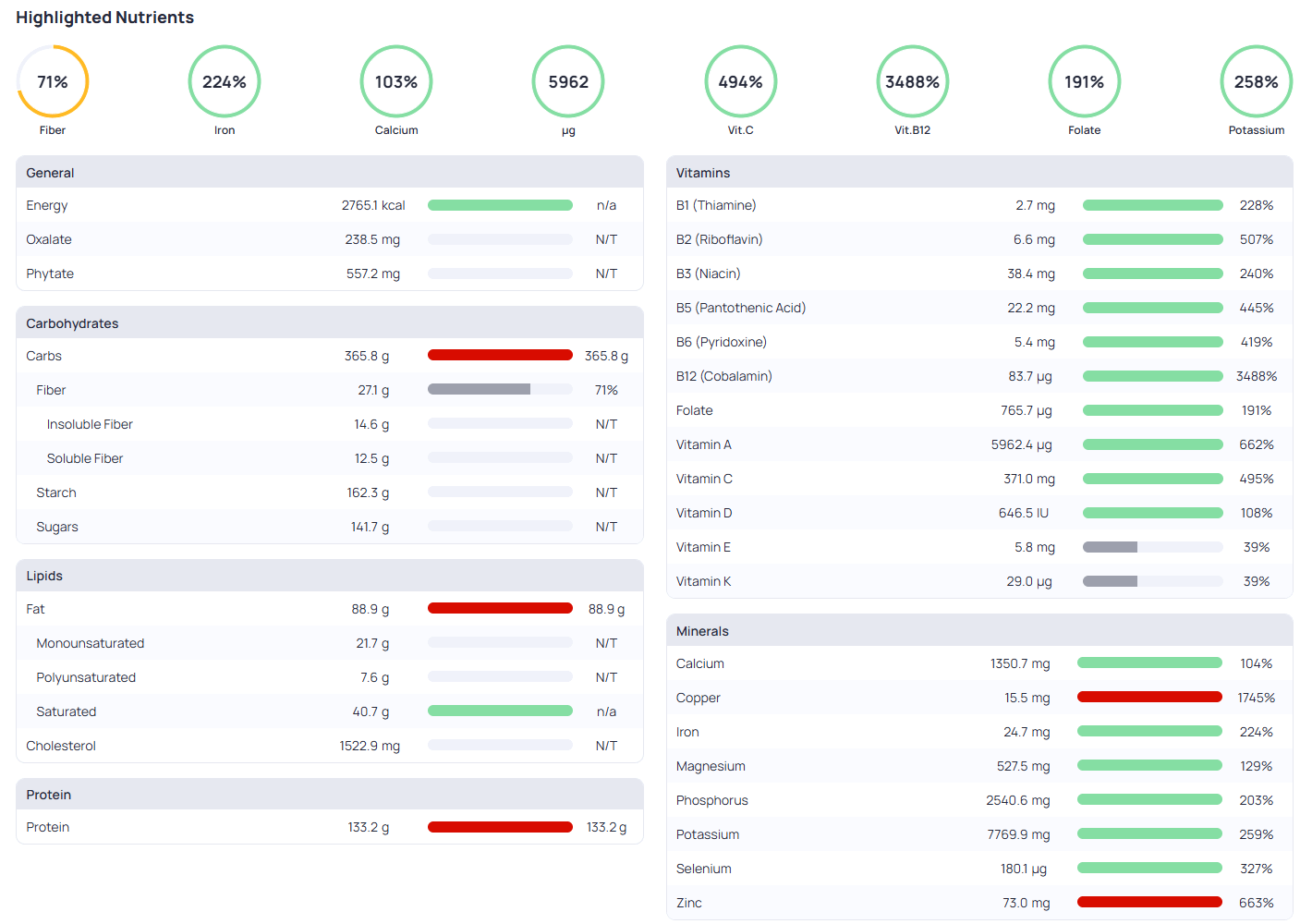
A few things worth noting:
The purpose of this Cronometer breakdown is to show the combined nutrient density of these foods, not to suggest they should all be eaten on the same day. Liver and oysters in particular are sufficient at one to two times per week.
Vitamin K appears low because Cronometer tracks K primarily as K1, which comes from leafy greens. K2 from liver, eggs, and butter is present in this day but is not fully captured in standard food databases.
Vitamin E requirements scale directly with PUFA intake, so the 39% figure is not a meaningful target on a diet built around saturated fat. Most food sources of vitamin E (e.g. nuts, seeds, and vegetable oils) come with a substantial amount of PUFAs, which defeats the purpose of obtaining vitamin E from them.
Safe Supplements
On a nutritional basis, there are a couple of supplements I view as worth taking to either cover genuine gaps in the diet, protect against deficiency, or because they have documented benefits at doses the diet cannot reliably reach.
Vitamin D3
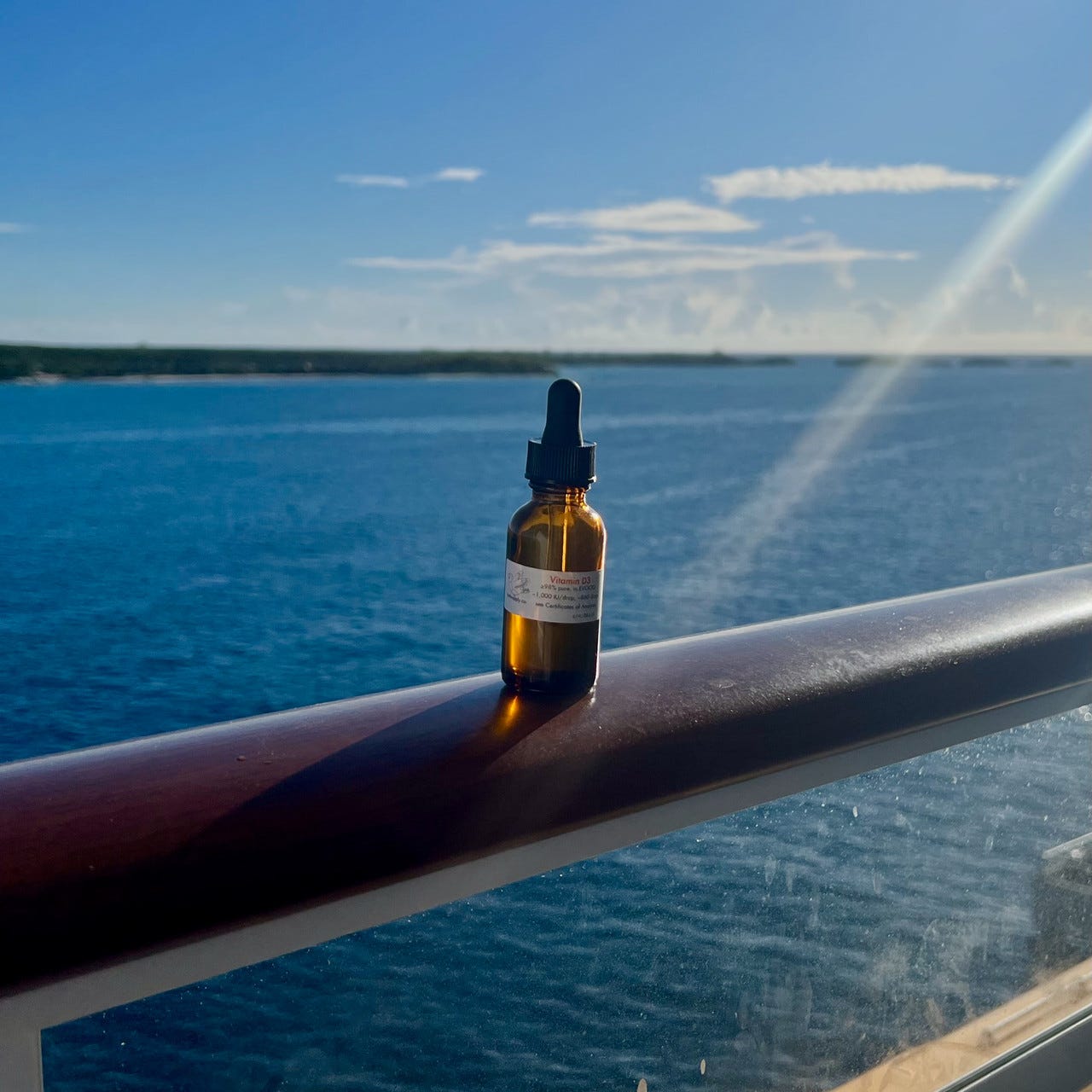
Most people living at northern latitudes, working indoors, or spending limited time in direct sun do not synthesize sufficient D3 regardless of the quality of their diet. Lark Supply produces a D3 in extra-virgin olive oil with no fillers or excipients. Every product comes with a certificate of analysis before purchase, which is not standard practice in the supplement industry. I have no affiliation with them, I’m simply an avid user of their products.
Vitamin K2 (MK-4)
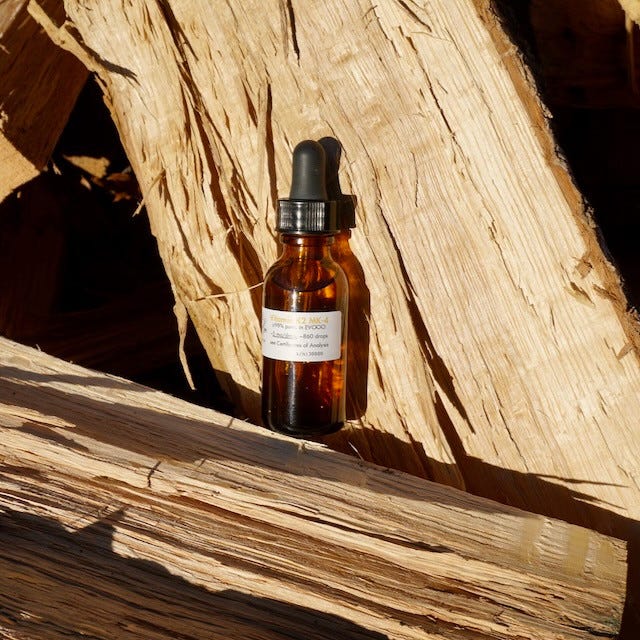
Liver and pasture-raised eggs provide MK-4, but the amounts are modest and food database tracking of K2 is unreliable. Most people are not getting enough from diet alone. Lark Supply produces a K2 MK-4 in extra-virgin olive oil to the same standard as their D3: no fillers or excipients, with a certificate of analysis published before purchase. Once again, I have no affiliation with them.
Vitamin E
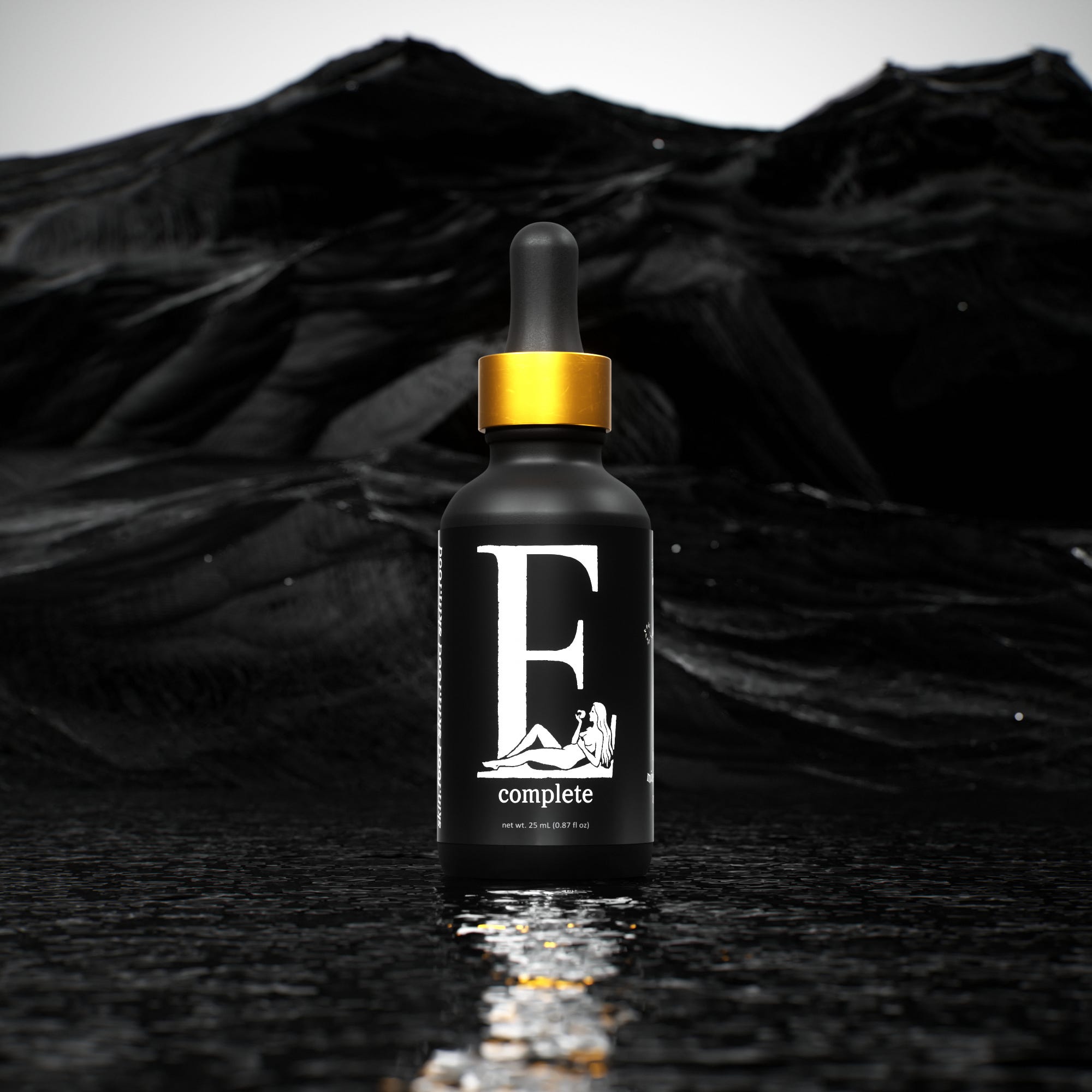
Vitamin E has documented benefits at doses the diet cannot reliably reach without simultaneously increasing polyunsaturated fat intake. The majority of commercial supplements use synthetic dl-alpha tocopherol in a seed oil carrier. SkinFood produces a full-spectrum vitamin E containing all four tocopherol fractions in their natural ratios with no seed oils, which makes it one of the few products on the market that is both compositionally complete and free of the compounds that counteract its purpose. No affiliation.
You can’t out-supplement a bad diet, but you can build one that makes most supplements unnecessary.
The foods covered in this article are not hard to find or overly expensive. Liver, oysters, eggs, goat milk, beef heart, and orange juice are not difficult to source and, if eaten regularly, cover the full spectrum of essential nutrients without having to supplement with a B vitamin complex, vitamin A, zinc, copper, selenium, iodine, iron, choline, folate, CoQ10, carnitine, taurine, vitamin C, or the majority of minerals.
The goal is not to eliminate supplementation entirely, but to ensure that every supplement is taken for a reason.
Excellent article. Appreciate it.
What’s your recommendation for how much liver and oysters per week?