

I have spent the last couple of years experimenting with different health modalities, diets, and supplements. This is a list of things that have made a real difference for studying, work, training, and generally feeling healthy. Not everything here will work for everyone, but I find them safe, effective, and worth experimenting with.


Here is what the list covers:
3g of Taurine Per Day
Bromantane / Tyrosine / Phenylalanine
Walking After Meals
Thiamine (TTFD) + Methylene Blue
Baking Soda “Milkshakes”
K2 and MgCl Scrotal Application
High-Dose Vitamin K2
Magnesium Sips Throughout Day
White Button Mushrooms + EVOO
Breakfast in the Sun
Low-Dose Minocycline
Nicotine Patches for Focus
1) 3g of Taurine Per Day
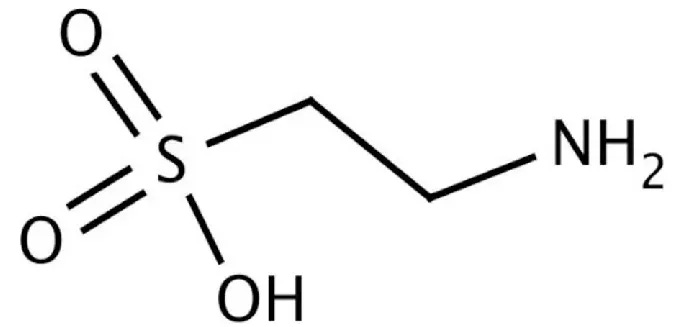
Taurine (2-aminoethanesulfonic acid) is a sulfur-containing amino acid found abundantly in the brain, heart, muscles, and retina.
It’s produced endogenously from cysteine through a three-step process:
Cysteine → Cysteine sulfinic acid
Cysteine sulfinic acid → Hypotaurine
Hypotaurine → Taurine
Production declines with age and most people do not synthesize enough to meet their physiological needs.
This is usually the result of one or more of the following:
Diets lacking in taurine precursors and certain nutrients (e.g. cysteine, B6, methionine)
Reduced activity of the enzymes that convert cysteine to taurine (e.g. cysteine dioxygenase, cysteine sulfinic acid decarboxylase)
Increased physiological demand in conditions such as diabetes, illness, and high oxidative stress
Supplementation addresses this directly.
A 2023 study in Science identified taurine deficiency as a driver of aging, finding that taurine levels drop significantly over time and that supplementation improved both healthspan and lifespan in animal models. [1]
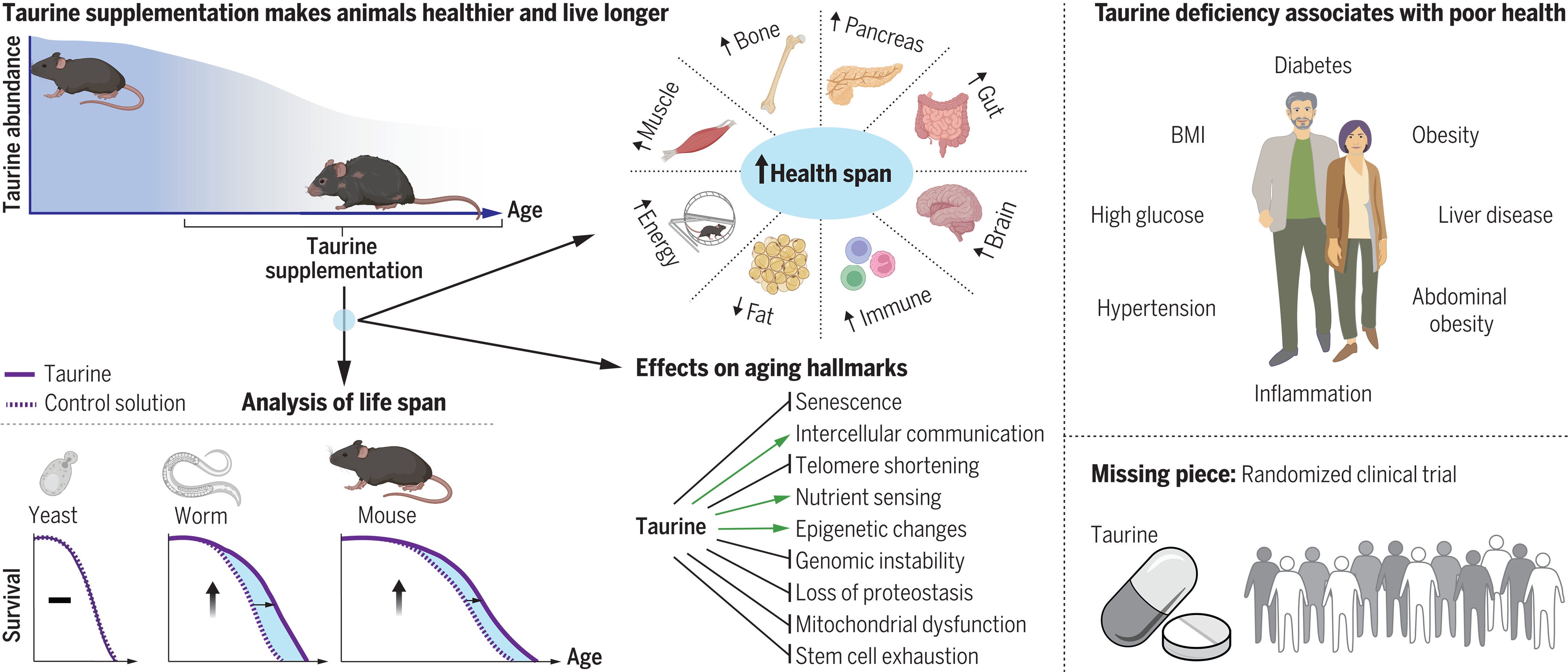
A separate study found it increases thyroid hormone and testosterone by attenuating hypothalamic-pituitary-gonadal axis dysfunction. [2]
It has also been shown to increase the bioavailability of fat-soluble vitamins A, D, E, K, and F by forming water-soluble complexes that improve their transport and absorption. [3]
A systematic review and meta-analysis of randomized controlled trials found that taurine supplementation significantly reduced HbA1c, fasting blood sugar, and insulin resistance in diabetic patients. [4]
It also prevents free fatty acid-induced hepatic insulin resistance by inhibiting JNK1 activation, and increases liver glycogen through its insulin-like effects. [5]
A systematic review found that 1g of taurine before or after exercise reduces lactate levels, and that low-dose taurine decreases muscular fatigue and increases enzymatic antioxidants. [6]
It also modulates circadian rhythms disrupted by a high-fat diet, which has downstream effects on body composition and glucose tolerance. [7]
Taurine has also been studied for fatty liver disease, bone formation, memory, neurodegeneration, and cancer. [8, 9, 10, 11]
3 grams/day is the dose I use to cover most of my bases.
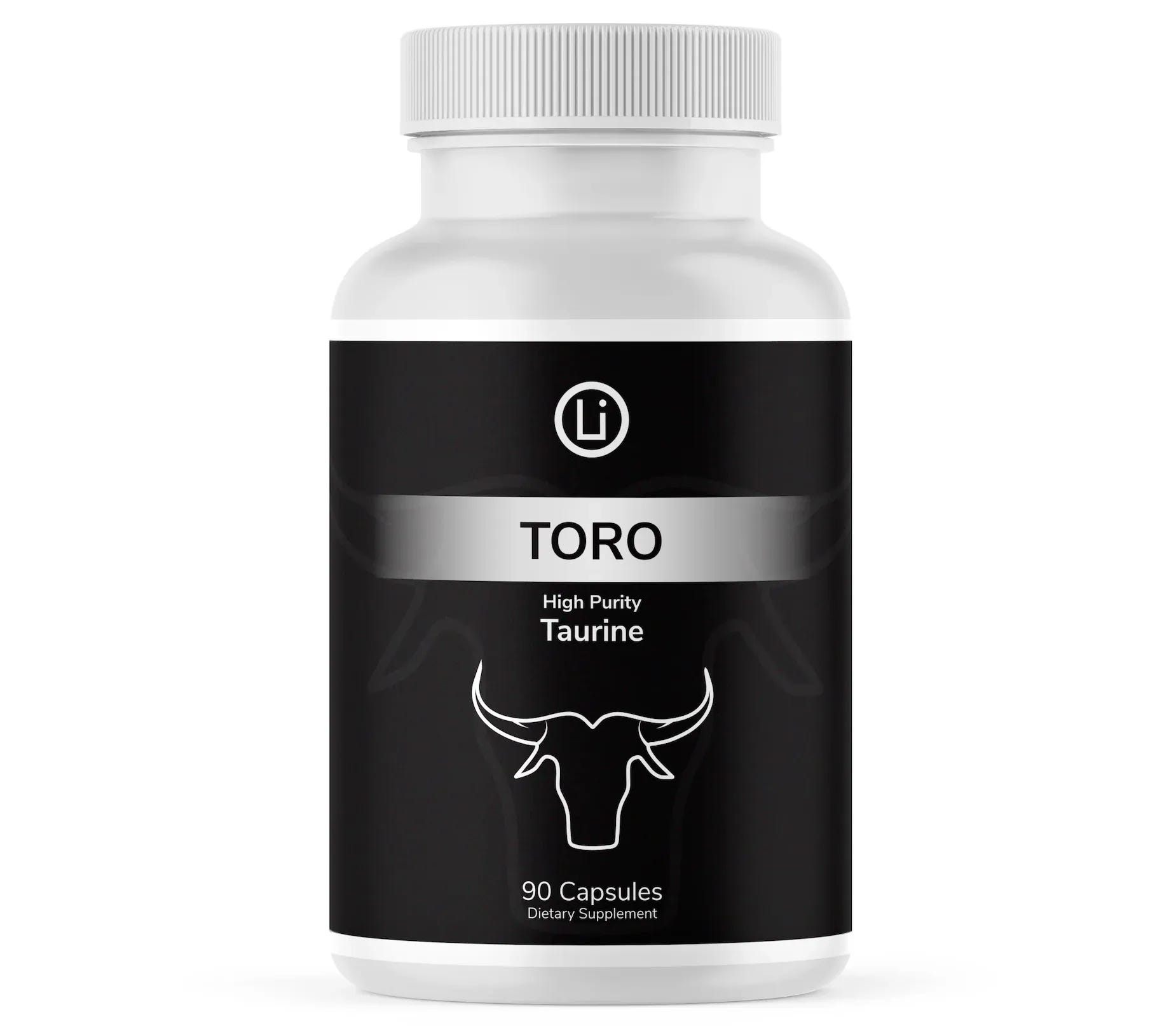
My preferred source of taurine: Toro from LifeBlud.
You can use code MALACHY at checkout for 10% off.
[1] Singh et al. (2023), Taurine deficiency as a driver of aging
[2] Mohamed & Abdel Gawad (2017), Taurine dietary supplementation attenuates brain, thyroid, testicular disturbances and oxidative stress in streptozotocin-induced diabetes mellitus in male rats
[3] Petrosian & Haroutounian (2000), Taurine as a universal carrier of lipid soluble vitamins: a hypothesis
[4] Tao et al. (2022), The effects of taurine supplementation on diabetes mellitus in humans: A systematic review and meta-analysis
[5] Wu et al. (2010), Taurine prevents free fatty acid-induced hepatic insulin resistance in association with inhibiting JNK1 activation and improving insulin signaling in vivo
[6] Chen et al. (2021), The Dose Response of Taurine on Aerobic and Strength Exercises: A Systematic Review
[7] Figueroa et al. (2017), Taurine Treatment Modulates Circadian Rhythms in Mice Fed A High Fat Diet
[8] Song et al. (2020), The beneficial effects of taurine in alleviating fatty liver disease
[9] Gupta & Kim, Taurine, Analogues and Bone: A Growing Relationship
[10] Huf et al. (2023), Neuroprotection elicited by taurine in sporadic Alzheimer-like disease: benefits on memory and control of neuroinflammation in the hippocampus of rats
[11] Ma et al. (2022), Taurine and Its Anticancer Functions: In Vivo and In Vitro Study
2) Bromantane / Tyrosine / Phenylalanine
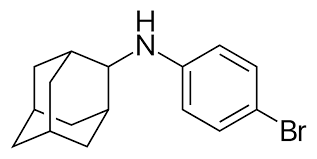
Bromantane is a synthetic adaptogen developed in the Soviet Union that is classified as an actoprotector, which is a compound that improves physical and mental performance under stress without increasing oxygen consumption or depleting the body’s energy reserves. [1]
Unlike conventional stimulants, it does not flood the brain with dopamine or block its reuptake. Instead, it upregulates the enzymes responsible for producing it (e.g. tyrosine hydroxylase), which leads to a sustained increase in dopamine synthesis. [2]
This is where tyrosine and phenylalanine become important.
Tyrosine hydroxylase upregulation requires an adequate supply of substrate. Phenylalanine converts to tyrosine, and tyrosine is the direct precursor to L-DOPA and dopamine. Without them, the upregulated enzymes have no substrate to use.
Here’s what the research shows:
A large multicenter trial of 728 patients given 50 to 100 mg of bromantane daily for 28 days found that 90.8% showed improvement in asthenic symptoms (e.g. fatigue, low energy, sleep disturbance, anxiety) with effects persisting for a full month after discontinuation. [3]
A separate placebo-controlled trial confirmed it outperformed placebo in reducing asthenic symptoms and found no withdrawal syndrome on discontinuation. [4]
Animal studies found that bromantane’s effect on physical work capacity exceeded that of phenamine at optimal doses by 1.3 to 1.6 times, lasted at least 24 hours, and protected mitochondria in cardiac and skeletal muscle cells under repeated extreme loads. [5]
Animal research also found positive effects on memory, attention, motivation, and planning. [6]
It was approved in Russia under the brand name Ladasten for the treatment of neurasthenia, and was banned by WADA following the 1996 Olympics after several Russian athletes tested positive for it.
The combination of stimulant and anxiolytic effects in a single compound is unique. Most stimulants (e.g. Adderall, modafinil, methylphenidate) increase anxiety and lead to dopamine receptor downregulation with repeated use.
Bromantane increases the brain's capacity to produce dopamine rather than forcing release. Tyrosine and phenylalanine provide the substrate the pathway needs to do so.
I take 50 mg of bromantane, 500–1000 mg of tyrosine, and 500–1000 mg of phenylalanine irregularly on days where I have mentally taxing and unenjoyable work to complete. Since bromantane is highly lipophilic and insoluble in water, it requires fat for adequate absorption.
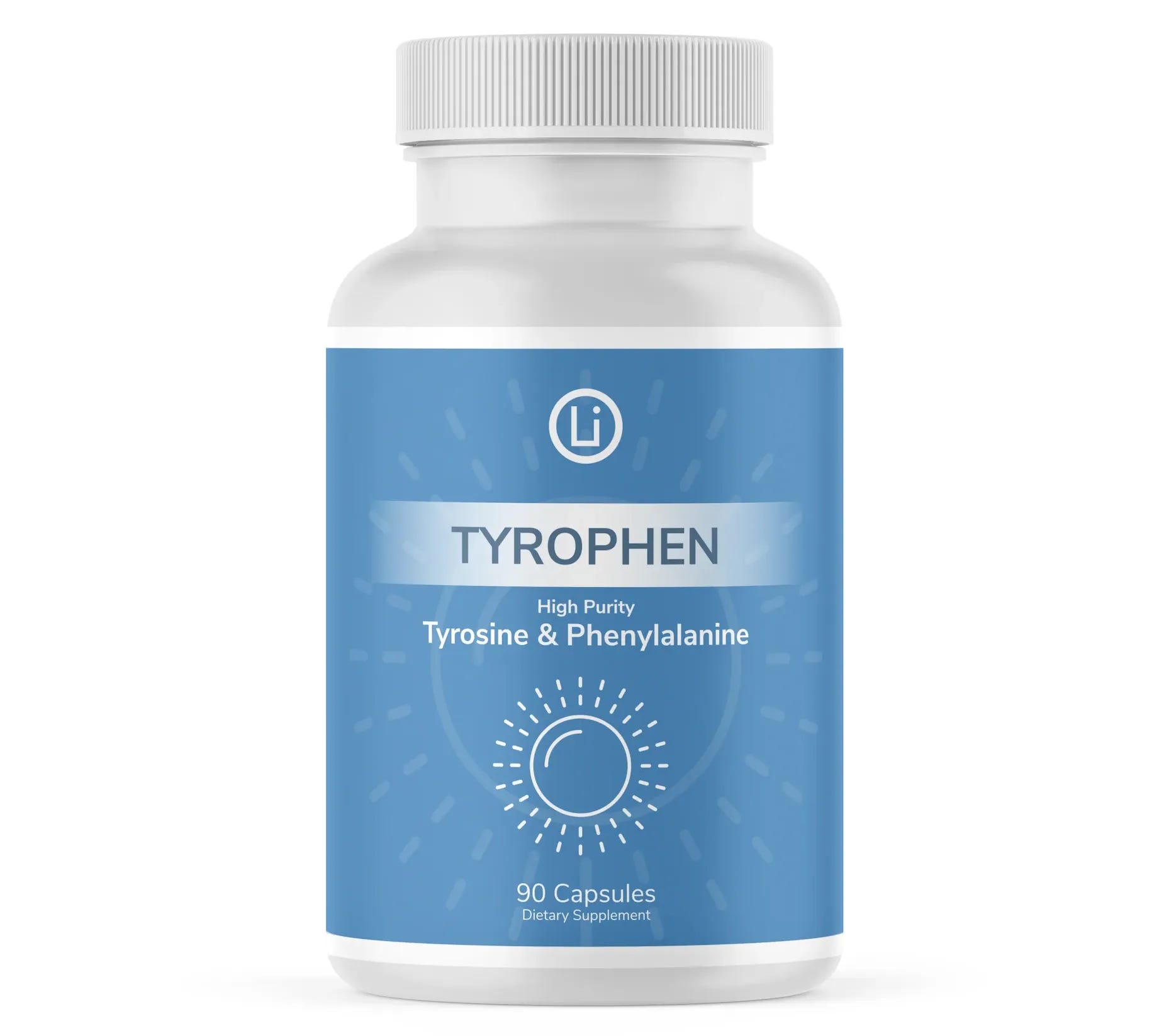
My preferred source of tyrosine and phenylalanine: Tyrophen from LifeBlud
Once again, you can use code MALACHY for 10% off your order.
[1] Morozov & Ivanova (2013), The Pharmacology of Actoprotectors: Practical Application for Improvement of Mental and Physical Performance
[2] Morozov et al. (2001), Actoprotector and adaptogen properties of adamantane derivatives
[3] Ivanova et al. (2010), Treatment of asthenic disorders in patients with psychoautonomic syndrome: results of a multicenter study on efficacy and safety of ladasten
[4] Neznamov et al. (2009), Ladasten, the new drug with psychostimulant and anxiolytic actions in treatment of neurasthenia
[5] Morozov & Kleĭmenova (1998), The effect of bromantane on the physical work capacity of laboratory animals
[6] Alyautdin et al. (1999), The characteristics of the neuropsychotropic activity of bromantane in laboratory animals
3) Walking After Meals
This is a pretty simple one.
When you eat, blood glucose rises as carbohydrates are broken down and absorbed into the bloodstream. Walking immediately after a meal uses your muscles as a sink for that glucose, blunting the postprandial spike.
At the same time, the rhythmic movement of walking stimulates peristalsis, the wave-like contractions of the stomach and intestines that move food through the digestive tract, which speeds gastric emptying and reduces bloating.
A randomized crossover study of 41 adults with type 2 diabetes found that 10 minutes of walking after each meal was significantly more effective at lowering postprandial blood glucose than a single 30-minute walk at any other point in the day. [1]
A separate study found that even slow postmeal walking reduced the blood glucose response to a carbohydrate-rich meal, with the effect scaling with duration. [2]
Brisk postprandial walking has also been shown to substantially reduce the glucose peak across meals with different carbohydrate content and macronutrient composition. [3]
A 2022 systematic review and meta-analysis found that walking as little as 2 to 5 minutes after a meal reduced both blood glucose and insulin levels. Additionally, light walking throughout the day reduced glucose by 17% compared to prolonged sitting. [4]
10 minutes is more than enough.
[1] Henson et al. (2016), Advice to walk after meals is more effective for lowering postprandial glycaemia in type 2 diabetes mellitus than advice that does not specify timing
[2] Høstmark et al. (2009), Slow postmeal walking reduces postprandial glycemia in middle-aged women
[3] Bellini et al. (2022), The Effects of Postprandial Walking on the Glucose Response after Meals with Different Characteristics
[4] Buffey et al. (2022), A Systematic Review with Meta-analysis on the Effect of Breaking Up Prolonged Sitting with Light-Intensity Walking on Cardiometabolic Health Outcomes
4) Thiamine (TTFD) + Methylene Blue


TTFD is a fat-soluble derivative of thiamine (vitamin B1) with significantly higher bioavailability than the standard forms more commonly sold.
Unlike regular thiamine, it does not need a transport system to enter cells. Instead, it passes through the cell membrane directly.
As a result, more thiamine reaches the cell, where it is converted into thiamine pyrophosphate (TPP), which is an essential coenzyme for pyruvate dehydrogenase, alpha-ketoglutarate dehydrogenase, and transketolase—the enzymes that drive ATP production in the mitochondria. [1]
In more practical terms, this means more efficient energy production.
Studies show that TTFD improves endurance, increases grip strength, reduces lactate production, and elevates liver and muscle glycogen after exercise. [2]
A separate study found it attenuates the decrease in ATP content in skeletal muscle during physical fatigue, which is not seen with standard thiamine. [3]
Research also found it promotes voluntary physical activity through dopaminergic activation in the prefrontal cortex. [4]
An open trial in 44 patients with nutritional polyneuropathy found that TTFD produced significant improvement in motor function, with no side effects observed during treatment. [5]
Methylene blue is a synthetic compound originally developed as a textile dye in the 1870s and later the first fully synthetic drug used in humans.
At low doses (1–15 mg), it acts as a redox mediator in the mitochondrial electron transport chain, bypassing dysfunctional segments to sustain ATP production and reduce reactive oxygen species. [6]
It crosses the blood-brain barrier readily and has been shown to enhance memory, improve mitochondrial respiration, and reduce neuroinflammation in models of Alzheimer's, Parkinson's, stroke, and traumatic brain injury. [7]
In healthy humans, low-dose methylene blue improved fMRI activity in brain regions responsible for sustained attention and memory. [8]
A 2025 animal study found that methylene blue provided neuroprotection against exhaustive exercise-induced neurological deficits by enhancing mitochondrial function and rescuing behavioral performance. [9]
Both compounds act on ATP production in the mitochondria, but at different points.
TTFD increases substrate availability and supports the enzymes involved in energy metabolism, and methylene blue improves the efficiency of the electron transport chain—the process responsible for the majority of ATP synthesis.
I use 100 mg of TTFD and between 0.5 and 5 mg of methylene blue before cognitively demanding work or intense exercise.


My preferred source of TTFD: Thiamax from Objective Nutrients
My preferred source of methylene blue: Meraki Blu from Meraki Medicinal
[1] Lonsdale (2004), Thiamine tetrahydrofurfuryl disulfide: a little known therapeutic agent
[2] Liao et al. (2018), The Effects of Thiamine Tetrahydrofurfuryl Disulfide on Physiological Adaptation and Exercise Performance Improvement
[3] Nozaki et al. (2009), Thiamine tetrahydrofurfuryl disulfide improves energy metabolism and physical performance during physical-fatigue loading in rats
[4] Naito et al. (2018), Thiamine tetrahydrofurfuryl disulfide promotes voluntary activity through dopaminergic activation in the medial prefrontal cortex
[5] Djoenaidi et al. (1990), Thiamine tetrahydrofurfuryl disulfide in nutritional polyneuropathy
[6] Rojas et al. (2012), Neurometabolic mechanisms for memory enhancement and neuroprotection of methylene blue
[7] Bhurtel et al. (2017), From Mitochondrial Function to Neuroprotection — An Emerging Role for Methylene Blue
[8] Gonzalez-Lima & Barksdale (2014), Mitochondrial respiration as a target for neuroprotection and cognitive enhancement
[9] Zhang et al. (2025), Intranasal methylene blue administration confers neuroprotection in rats subjected to exhaustive exercise training
5) Baking Soda “Milkshakes”
The name comes from horse racing.
Starting in the late 1980s, trainers began tubing concentrated sodium bicarbonate solutions directly into horses’ stomachs before races to reduce lactic acid and increase muscular endurance.
The practice became widespread enough that Racing Australia and most other racing authorities banned it within 24 hours of race time, with career-ending penalties for trainers caught using it. [1]
Here’s how it works:
During high-intensity exercise, muscles produce hydrogen ions as a byproduct of anaerobic metabolism. The accumulation of these ions drops intramuscular pH, impairing muscle contraction and accelerating fatigue.
Sodium bicarbonate is alkaline and ingesting it before exercise raises blood bicarbonate concentration, which increases the body’s capacity to buffer those hydrogen ions and delays the onset of acidosis. [2]
The research supports this in humans as well.
A systematic review found performance improvements of up to 3% in swimming and cycling, with the strongest effects in events involving repeated bouts of intense effort. [3]
The International Society of Sports Nutrition concluded in its position stand that sodium bicarbonate consistently improves performance in high-intensity exercise, with the strongest evidence for repeated sprint and intermittent efforts. [4]
A separate systematic review and meta-analysis found significant improvements in muscular endurance specifically. [5]
In my experience, 1 teaspoon of baking soda before cardio noticeably reduces the burning sensation and allows me to maintain full intensity throughout the session.
[1] Denham et al. (2020), A Systematic Review and Meta-analysis on Sodium Bicarbonate Administration and Equine Running Performance
[2] Calvo et al. (2021), Effect of sodium bicarbonate contribution on energy metabolism during exercise: a systematic review and meta-analysis
[3] Siegler et al. (2016), Mechanistic Insights into the Efficacy of Sodium Bicarbonate Supplementation to Improve Athletic Performance
[4] Grgic et al. (2021), International Society of Sports Nutrition Position Stand: Sodium Bicarbonate and Exercise Performance
[5] Grgic et al. (2020), Effects of Sodium Bicarbonate Supplementation on Muscular Strength and Endurance: A Systematic Review and Meta-analysis
6) K2 and MgCl Scrotal Application


The testicles are the primary site of testosterone production in men. Leydig cells within the testes convert cholesterol into testosterone through steroidogenesis.
Both magnesium and vitamin K2 (MK-4) play direct roles in this process, and applying them topically to the scrotal area allows for local absorption at the site of production. Scrotal skin is more permeable than skin elsewhere on the body, which makes it a well-established route for transdermal delivery of hormonal compounds.
Vitamin K2 (MK-4) has been shown to stimulate testosterone production directly in Leydig cells by activating the cAMP/PKA signaling pathway and upregulating CYP11A, the rate-limiting enzyme in steroidogenesis.
Rats fed an MK-4 supplemented diet for five weeks showed significantly higher testosterone levels in both plasma and testicular tissue. [1]
Magnesium supports testosterone through a different mechanism.
It competes with SHBG (sex hormone-binding globulin) for testosterone binding, which increases the proportion of free and bioavailable testosterone in circulation. [2]
A study in Biological Trace Element Research found that magnesium supplementation increased both free and total testosterone in active and sedentary men after four weeks, with a greater effect in those who exercised. [3]
A separate study in 399 men over 65 found that serum magnesium was strongly and independently associated with total testosterone levels after adjusting for age, BMI, and other confounders. [4]
Applied topically to the scrotal area, both compounds reach the tissue where testosterone is produced directly. The anecdotal reports are consistent with what the research shows.


[1] Ikai et al. (2011), Menaquinone-4 enhances testosterone production in rats and testis-derived tumor cells
[2] Excoffon et al. (2009), Magnesium effect on testosterone-SHBG association studied by a novel molecular chromatography approach
[3] Cinar et al. (2011), Effects of magnesium supplementation on testosterone levels of athletes and sedentary subjects at rest and after exhaustion
[4] Maggio et al. (2011), Magnesium and anabolic hormones in older men
7) High-Dose Vitamin K2
Vitamin K2 exists in several forms. MK-4 is the form most concentrated in animal tissues and the one with the most direct research behind it for therapeutic use.
Its primary role is as a cofactor for the carboxylation of vitamin K-dependent proteins, which is a process that activates them and allows them to function.
Two of the most important are osteocalcin, which binds calcium to bone matrix, and matrix Gla protein (MGP), the most potent known inhibitor of arterial calcification.
When K2 is insufficient, these proteins remain undercarboxylated and inactive, causing calcium to end up in soft tissue and arteries rather than bone. [1]
MK-4 has been approved in Japan as a prescription treatment for osteoporosis since 1995, under the brand name Glakay, at a dose of 45 mg/day.
A systematic review of Japanese randomized controlled trials found that supplementation with MK-4 at this dose was associated with reduced fracture incidence and maintained bone mineral density. [2]
A separate dose-finding study found that 5 mg per day reduced undercarboxylated osteocalcin to levels typical of healthy premenopausal women. [3]
Beyond bone, MK-4 has been studied for its effects on testosterone production, cardiovascular health, and cancer.
On the cardiovascular side, MGP carboxylation by K2 actively prevents calcium from depositing in arterial walls, a mechanism with direct implications for cardiovascular disease risk. [1]
There is also emerging research on its role in inhibiting hepatocellular carcinoma and other forms of cancer. [4]
Vitamin K2 has also been shown to decrease intracellular estradiol levels by binding to 17beta-hydroxysteroid dehydrogenase 4, an enzyme involved in estrogen metabolism, which reduces estrogen receptor activity at the DNA level. [5]
At 45 mg, I notice a profound calming effect and generally feel healthier. During a period where I was relying on nicotine heavily for focus, a single dose made me forget to apply my patch before sitting down to study. I also noticed that my sleep onset and quality improved significantly.
It’s quite expensive at this dose, but I use it when I can.
This is what I use: Vitamin K2 MK-4 in EVOOO from Lark Supply
[1] Schwalfenberg (2017), Vitamins K1 and K2: The Emerging Group of Vitamins Required for Human Health
[2] Cockayne et al. (2006), Vitamin K and the prevention of fractures: systematic review and meta-analysis of randomized controlled trials
[3] Burckhardt et al. (2019), Maximal dose-response of vitamin K2 (MK-4) on undercarboxylated osteocalcin in women with osteoporosis
[4] Mizuta & Ozaki (2008), Hepatocellular carcinoma and vitamin K
[5] Otsuka et al. (2005), Vitamin K2 binds 17beta-hydroxysteroid dehydrogenase 4 and modulates estrogen metabolism
8) Magnesium Sips Throughout Day
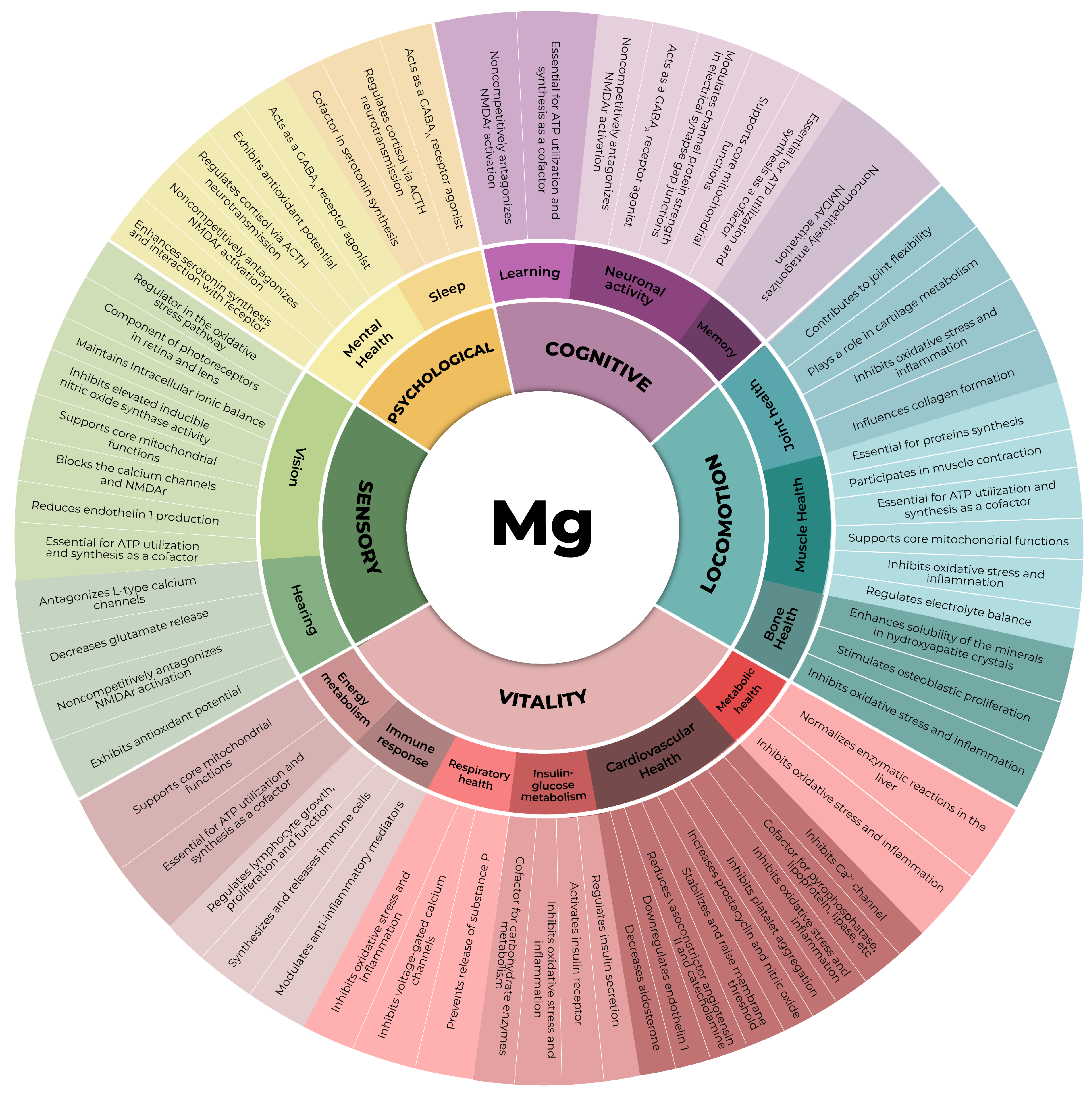
Magnesium is the fourth most abundant mineral in the body.
A 2012 study identified 3,174 magnesium-dependent processes in the human body, including virtually every reaction that involves ATP. [1]
It forms the Mg-ATP complex, which is the true substrate for most ATP-dependent reactions in the body. Without sufficient magnesium, cells cannot effectively produce or transfer energy. [2]
One of its most important roles is regulating intracellular calcium.
Excess calcium is implicated in nearly every major inflammatory pathway, and magnesium is the body’s primary defense against it. When magnesium is depleted, calcium accumulates, driving inflammation, mitochondrial dysfunction, and neuronal overactivation. [3, 4]
Part of this involves NMDA receptor blockade.
Under normal conditions, magnesium sits in the NMDA receptor channel and limits calcium influx into neurons. When magnesium levels drop, this block weakens, causing excess calcium to enter the cell, which increases the risk of excitotoxicity, neurodegeneration, anxiety, and seizures. [5]
Beyond this, magnesium is required for:
Active vitamin D synthesis
DNA replication and repair
Glutathione production
Insulin signaling
Testosterone synthesis in Leydig cells
Conversion of T4 to active T3
HPA axis regulation (blunts cortisol output)
This last point is important because chronic stress depletes magnesium, and low magnesium increases stress sensitivity, which creates a cycle that is difficult to break without consistent repletion. [2]
Most people are chronically depleted.
Soil depletion has reduced the magnesium content of food over decades, and physical output, psychological stress, and environmental toxins accelerate loss daily.
The most practical way to maintain consistent levels throughout the day is to dissolve magnesium chloride in a water bottle and sip it steadily. Large single oral doses tend to cause digestive issues, so spreading intake across the day circumvents this and keeps levels more stable.
Not all forms are equally useful. Here is a brief breakdown:
Magnesium glycinate
Magnesium bound to glycine. Well absorbed, inexpensive, and well tolerated.
Best starting point for most people. Good for sleep, stress reduction, and general repletion.
Magnesium chloride
The most versatile form. Can be taken orally or applied topically.
Best for muscle recovery, general repletion, and people with digestive issues who struggle to absorb other forms.
Magnesium threonate
One of the only forms shown to meaningfully raise magnesium levels in the brain, as it crosses the blood-brain barrier. [6]
Best suited for cognitive applications (e.g. memory, focus, neuroprotection).
Magnesium malate
Magnesium paired with malic acid, which supports the Krebs cycle and has mild utility for heavy metal chelation, particularly aluminum.
Best for muscle recovery, energy metabolism, and general detox support.
Magnesium N-acetyl taurate
Combines magnesium with N-acetyl taurine, enhancing both magnesium and taurine delivery to the brain and cardiovascular tissue.
Best for anxiety, high blood pressure, and cardiovascular health.
Magnesium taurate
Combines magnesium with taurine, with documented benefits for cardiovascular and neurological function.
Best for heart health and neurological support, though N-acetyl taurate is the more bioavailable option for these applications.
Magnesium oxide
Poorly absorbed and produces pro-oxidant compounds. Not worth using.
On dosing:
The largest dose is best taken before bed, as most detox and repair processes occur during sleep. Daytime doses should be smaller and spread across meals.
Using two or more forms across different routes of administration, such as oral and topical, gives better overall tissue saturation than relying on a single form.
[1] Piovesan et al. (2012), The human “magnesome”: detecting magnesium binding sites on human proteins
[2] Rosanoff et al. (2012), Suboptimal magnesium status in the United States: are the health consequences underestimated?
[3] Rossol et al. (2012), Extracellular Ca2+ is a danger signal activating the NLRP3 inflammasome through G protein-coupled calcium sensing receptors
[4] Brookes et al. (2004), Calcium, ATP, and ROS: a mitochondrial love-hate triangle
[5] Paoletti et al. (2013), NMDA receptor subunit diversity: impact on receptor properties, synaptic plasticity and disease
[6] Slutsky et al. (2010), Enhancement of learning and memory by elevating brain magnesium
9) White Button Mushrooms + EVOO
White button mushrooms have more research behind them than most people assume.
One important note before getting into the benefits:
White button mushrooms should not be eaten raw. They contain agaritine, a hydrazine compound with potential mutagenic and carcinogenic properties. Cooking reduces agaritine levels significantly. Boiling for at least 10 minutes and discarding the water removes most of it, and cooking for 1 to 3 hours removes virtually all of it. Microwaving is also effective and reduces agaritine levels substantially in a fraction of the time. The water should always be discarded when boiling, as agaritine is water-soluble and transfers into it. [1]


Now, onto the benefits.
Among all vegetables tested, white button mushrooms showed the strongest dose-dependent inhibition of aromatase, which is the enzyme responsible for converting androgens into estrogen. [2]
White button mushrooms also reduce gut inflammation. Research found that white button mushroom powder reduced intestinal permeability and lowered inflammatory markers including IL-1β. [3]
Their polysaccharides have also been shown to stimulate macrophage activity and inhibit the growth of breast cancer cells in vitro.
In animal models, white button mushroom extract reduced tumor weight and suppressed myeloid-derived suppressor cells (immune cells that tumors exploit to evade detection) while activating T cells and NK cells. This effect has also been observed in prostate cancer patients in a Phase II clinical trial. [4, 5]
EVOO has a separate but complementary set of effects. The polyphenols in extra virgin olive oil (e.g. oleuropein, hydroxytyrosol) selectively suppress pathogenic bacteria and reduce gut inflammation. [6]
Unlike antibiotics, they act selectively, targeting harmful organisms without broadly disrupting the gut environment. [7]
Beyond the gut, EVOO polyphenols improve endothelial function, reduce LDL oxidation, improve HDL function, and lower inflammatory markers such as CRP and IL-6. [8]
I blend well-cooked white button mushrooms with a splash of vinegar and a teaspoon of EVOO. It has had a noticeable effect on digestion and bowel movements, and it tastes very good.
Highly recommend.
[1] Claeys et al. (2020), Warning on false or true morels and button mushrooms with potential toxicity linked to hydrazinic toxins
[2] Grube et al. (2001), White button mushroom phytochemicals inhibit aromatase activity and breast cancer cell proliferation
[3] Dempsey et al. (2025), Protective properties of the white button mushroom in a mouse model of colitis
[4] Adams et al. (2008), Macrophage immunomodulating and antitumor activities of polysaccharides isolated from Agaricus bisporus white button mushrooms
[5] Twardowski et al. (2024), Reduction of myeloid-derived suppressor cells in prostate cancer murine models and patients following white button mushroom treatment
[6] Prieto et al. (2023), Evidence supporting the involvement of the minority compounds of extra virgin olive oil through gut microbiota modulation
[7] Cicerale et al. (2010), Antimicrobial, antioxidant and anti-inflammatory phenolic activities in extra virgin olive oil
[8] Gorzynik-Debicka et al. (2025), Exploring the cardiovascular benefits of extra virgin olive oil: insights into mechanisms and therapeutic potential
10) Breakfast in the Sun

Sunlight includes a spectrum of wavelengths, each with distinct biological effects, and the composition of that spectrum changes throughout the day.
In the morning, the sun sits low on the horizon. At this angle, the atmosphere filters out most of the higher-energy UV wavelengths, leaving a spectrum rich in red and near-infrared light (roughly 630–850 nm).
These wavelengths penetrate the skin and interact directly with cytochrome c oxidase—an enzyme in the mitochondrial electron transport chain—stimulating ATP production, reducing oxidative stress, and supporting cellular repair. [1]
Red and near-infrared light also displaces nitric oxide from cytochrome c oxidase, where it would otherwise compete with oxygen and impair energy production. [1]
As the sun rises higher, UVB becomes available. UVB triggers vitamin D synthesis in the skin, which is a cofactor in the enzymatic conversion of dopamine precursors into active dopamine.
It also stimulates the release of beta-endorphins. More are released when vitamin D levels are low, creating a dose-dependent feedback loop that regulates sun-seeking behavior. [2]
Beyond the wavelength-specific effects, morning light exposure sets the cortisol awakening response.
Bright light in the first hour after waking enhances the natural morning cortisol rise by 20–40%, which drives alertness, energy, and readiness for the day. [3]
This also suppresses residual melatonin, sets the circadian rhythm to the solar day, and sets the timing for melatonin release later that night—improving sleep onset and quality downstream. [4]
Eating breakfast outside combines the metabolic benefits of the morning light spectrum with the circadian signal that food has arrived, which reinforces the body’s internal clock and improves how efficiently that food is used for energy throughout the day.
[1] Powner et al. (2024), Light stimulation of mitochondria reduces blood glucose levels
[2] Kemeny et al. (2021), Vitamin D deficiency exacerbates UV/endorphin and opioid addiction
[3] Scheer & Buijs (1999), Light affects morning salivary cortisol in humans
[4] Czeisler et al. (1995), Suppression of melatonin secretion in some blind patients by exposure to bright light
11) Low-Dose Minocycline
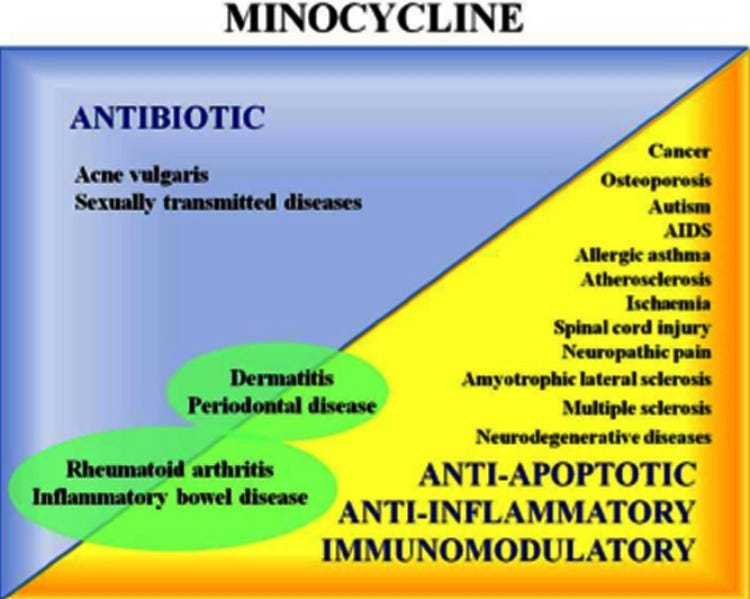
Antibiotics are often regarded as a necessary evil, used only in situations of dire need. However, I think this is a viewpoint worth reconsidering.
Minocycline is a semi-synthetic tetracycline antibiotic that has been in clinical use for decades, primarily for acne and bacterial infections.
What makes it interesting beyond its antibiotic activity is the wide range of conditions it has been studied for…
Cancer
Long COVID
Osteoporosis
Autism
Rheumatoid arthritis
Traumatic brain injury
Neuropathic pain
Parkinson’s disease
Huntington’s disease
Alzheimer’s disease
Multiple sclerosis
Spinal cord injury
IBD
Diabetes
And more. [1]
The common denominator in nearly all of these is inflammation.
The mechanisms behind this are well documented.
Minocycline inhibits pro-inflammatory enzymes including iNOS, matrix metalloproteinases (MMPs), and COX-2. It suppresses microglial activation—the primary driver of neuroinflammation—and reduces the release of IL-1β, IL-6, and TNF-α. It also chelates metals, regulates calcium, and directly suppresses reactive oxygen and reactive nitrogen species through antioxidant activity comparable to vitamin E in some models. [2, 3]
Importantly, it crosses the blood-brain barrier readily due to its high lipophilicity, which distinguishes it from most antibiotics and explains its documented neuroprotective effects. [1]
Minocycline has a favorable safety profile at doses up to 200mg per day, with common side effects at standard doses limited to light-headedness, vestibular symptoms, and nausea. Most are dose-dependent and resolve quickly on discontinuation. [4]
I have experienced the most benefit at lower doses, well below the standard clinical range. This is consistent with the observation that its anti-inflammatory effects operate independently of its antibiotic activity and do not require high plasma concentrations to be meaningful.
With that being said, minocycline should not be approached carelessly. There is enough anecdotal data and scientific evidence to take the side effect profile seriously, particularly with extended use.
Starting at the smallest measurable dose and titrating up slowly is essential.
Supplementing with a generous amount of vitamin K2 throughout any course of minocycline is something I consider non-negotiable, as is closely monitoring symptoms and adjusting accordingly.
[1] Garrido-Mesa, Zarzuelo & Gálvez (2013), Minocycline: far beyond an antibiotic
[2] Shultz & Zhong (2017), Minocycline targets multiple secondary injury mechanisms in traumatic spinal cord injury
[3] Noble, Garwood & Hanger (2009), Minocycline as a potential therapeutic agent in neurodegenerative disorders characterised by protein misfolding
[4] Gump et al. (1977), Side effects of minocycline: different dosage regimens
12) Nicotine Patches for Focus
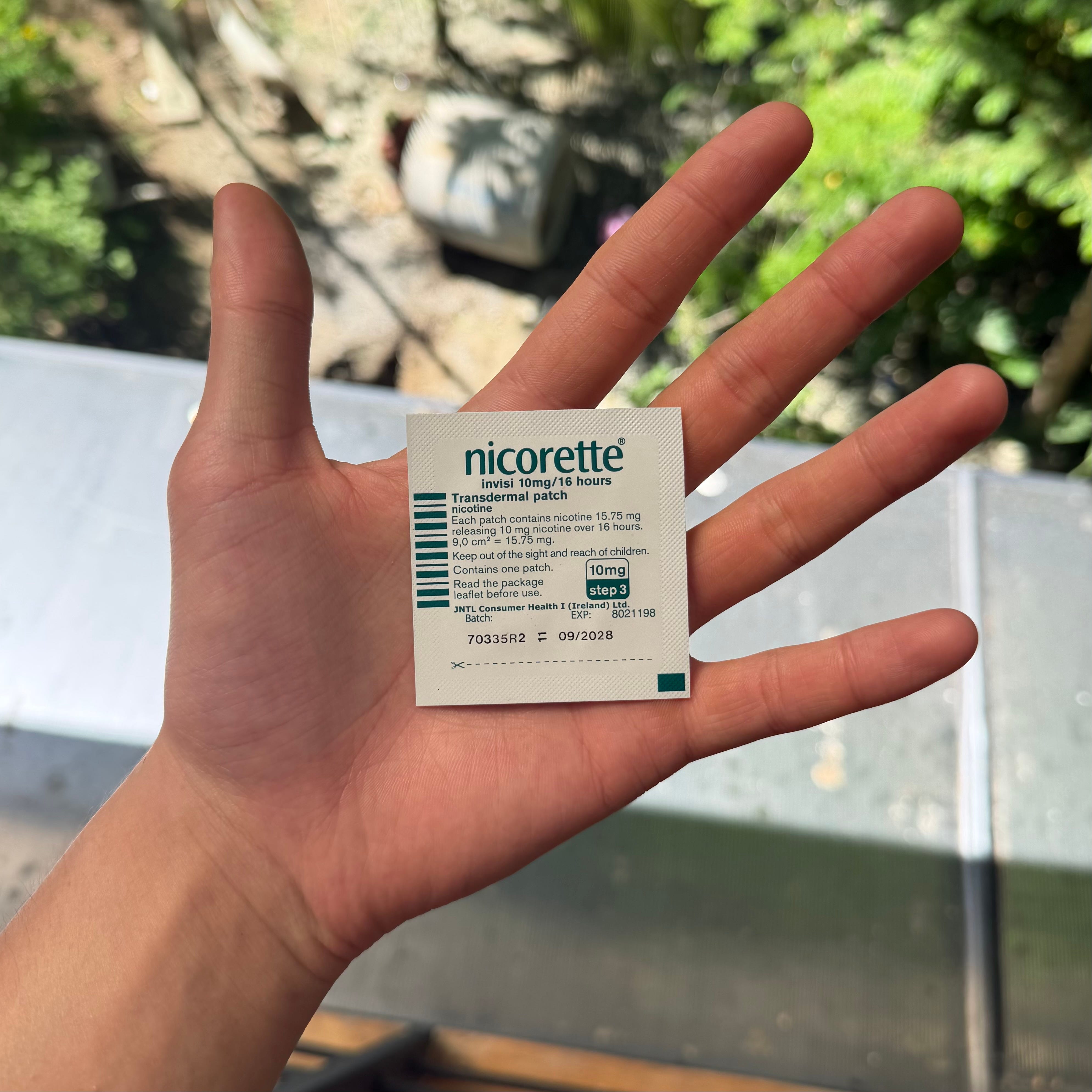
Nicotine is a compound with a broad range of documented biological effects that are largely obscured by its association with tobacco smoking.
Nicotine works by binding to nicotinic acetylcholine receptors (nAChRs) in the brain, particularly the α4β2 and α7 subtypes. Activation of these receptors facilitates the release of acetylcholine, dopamine, serotonin, and glutamate, which are neurotransmitters central to attention, working memory, and motivation. [1]
The prefrontal cortex, which governs executive function and sustained attention, is particularly sensitive to nicotinic stimulation. The cognitive effects are most pronounced on tasks requiring focused attention, especially under conditions of difficulty or distraction. [1]
A meta-analysis of over 40 double-blind placebo-controlled studies found that nicotine reliably improves focused and sustained attention, recognition memory, and motor responding. [2]
Transdermal nicotine has also been shown to improve attention and episodic memory in patients with mild cognitive impairment, and chronic patch use improved cognitive function in Alzheimer’s patients across multiple trials. [3]
At the cellular level, nicotine modulates long-term potentiation (LTP)—the synaptic mechanism underlying learning and memory formation—in the hippocampus and prefrontal cortex. It does this by reducing GABAergic inhibition of pyramidal cells, which lowers the threshold for LTP induction and increases the signal-to-noise ratio for synaptic input. [4]
Chronic nicotine administration has been shown to significantly enhance object recognition memory through nAChR-dependent changes in synaptic plasticity in the medial prefrontal cortex. [5]
It also rescues LTP in conditions where it is impaired, including sleep deprivation, Alzheimer’s disease, chronic stress, and hypothyroidism, primarily through desensitization of α7 nAChRs. [6]
Nicotine also improves memory function through chromatin modification, inhibiting histone deacetylases and producing transcriptional changes in memory-related genes. [6]
It activates the PI3K/AKT pro-survival pathway, which increases LTP and protects against the memory dysfunction associated with Alzheimer’s disease. [6]
The patch is the most practical delivery method for cognitive use. I have one on as I’m typing this out.
It provides steady plasma nicotine levels and avoids the acute spike of other delivery methods such as smoking, vaping, or Zyn-ing. I use a low-dose patch on days where sustained focus is required and remove it in the afternoon.
[1] Levin et al. (2017), Cognitive effects of nicotine: recent progress
[2] Heishman et al. (2010), Meta-analysis of the acute effects of nicotine and smoking on human performance
[3] Newhouse et al. (2012), Nicotine treatment of mild cognitive impairment: a 6-month double-blind pilot clinical trial
[4] Fujii et al. (2000), Nicotine reverses GABAergic inhibition of long-term potentiation induction in the hippocampal CA1 region
[5] Goto et al. (2025), Chronic nicotine enhances object recognition memory via inducing long-term potentiation in the medial prefrontal cortex in mice
[6] Bhatt et al. (2021), Molecular insights into the benefits of nicotine on memory and cognition
If you made it this far, thank you so much for reading!
None of this is medical advice.
These are compounds and habits I have found useful through personal experimentation and research. What works for me may not work for you. Make sure to do your own research, start low with anything new, and pay attention to how your body responds.

Synchronicity going craazzzy with the one. Have almost all in my to try/do list. The T3 induced Peaty morphogenic fields are getting stronger by the day
This is so good, thanks for writing. The breadth of knowledge here is well worth the read.